
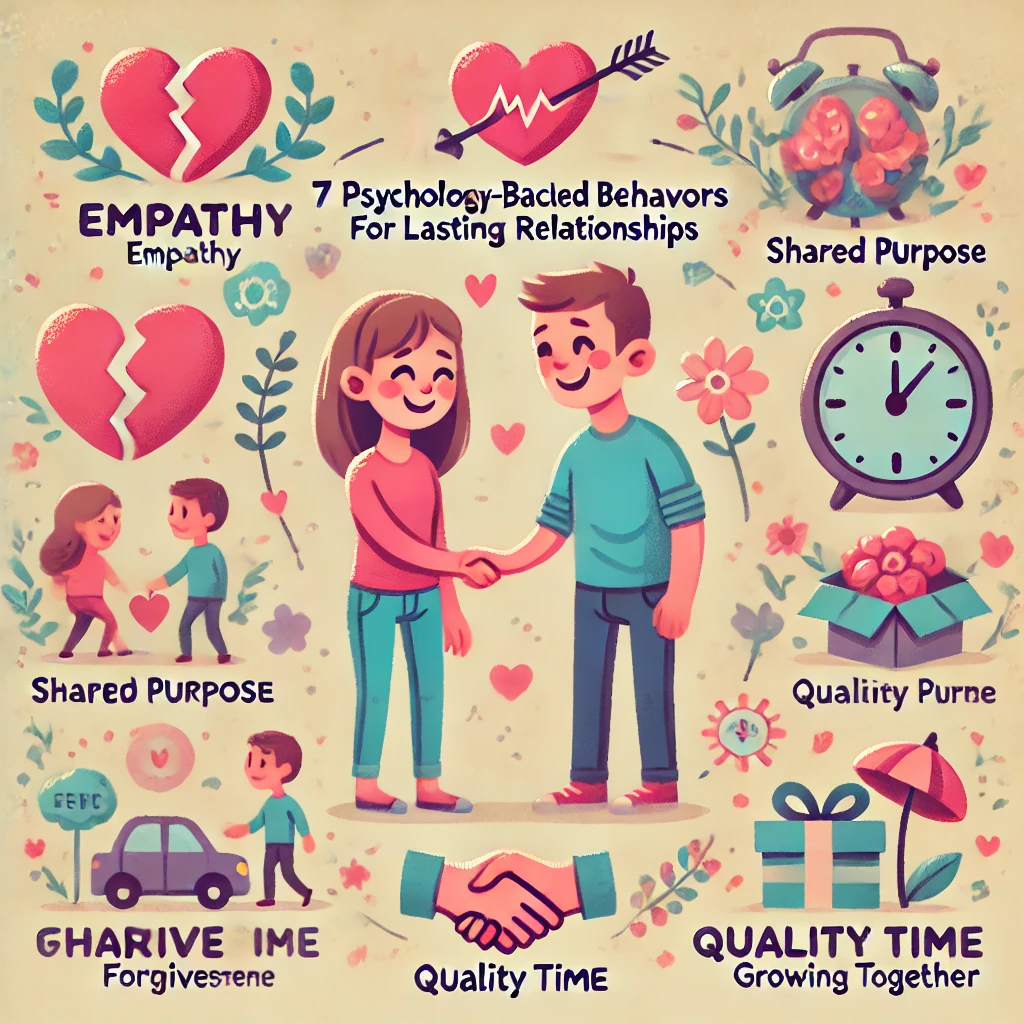
In this article, we explore seven key behaviors that contribute to joyful relationships. These habits bridge the gap between science and philosophy, helping us understand both how and why they work. Whether you are seeking to improve a romantic partnership, strengthen a family connection, or cultivate better friendships, these principles can serve as a guide to healthier, more fulfilling bonds.
Active Listening with Empathy
Relationships are at the heart of human experience. From a philosophical perspective, they give life meaning and shape our understanding of selfhood. From a psychological perspective, they are the foundation of mental well-being, resilience, and even physical health. A joyful relationship is not simply a matter of luck or chemistry—it is the product of deliberate habits and conscious choices. Modern psychology provides clear evidence that certain behaviors consistently lead to stronger, happier partnerships. Meanwhile, philosophy reminds us that love and companionship are not just emotional states but also moral and existential practices.
One of the most powerful predictors of relationship satisfaction is empathy. Active listening means fully attending to what the other person is saying, without rehearsing your response or allowing distractions to interfere. Psychologists note that couples who practice empathetic listening report fewer misunderstandings and higher emotional closeness.
Philosophically, empathy connects to the idea of recognizing the other as a subject with their own reality. By deeply listening, we affirm the dignity of our partner and strengthen trust. This is especially important in times of conflict, when misunderstandings can escalate.
Read: The Best Mental Health Marketing Agencies in 2026
Practical Applications
- Put away phones and devices during important conversations.
- Mirror back emotions: “I hear that you’re feeling frustrated because…”
- Ask clarifying questions rather than making assumptions.
Practicing Gratitude Daily
Gratitude is more than politeness; it is a psychological practice that transforms relationships. Studies in positive psychology show that couples who express thanks regularly report greater satisfaction and intimacy. Acknowledging even small acts—like preparing coffee or running an errand—creates an atmosphere of appreciation.
Philosophers from the Stoics to modern thinkers have emphasized gratitude as a key virtue. It grounds us in the present and prevents the corrosive effects of entitlement.
Practical Applications
- Share one thing you appreciate about your partner daily.
- Keep a joint gratitude journal.
- Express gratitude publicly in front of family or friends.
Read The Origins of the Philosophy of Psychiatry Movement
Honest but Compassionate Communication
Honesty without compassion can feel harsh, while compassion without honesty can breed resentment. Psychology underscores that assertive communication—expressing needs clearly while respecting the other’s perspective—reduces conflict and builds trust.
From a philosophical perspective, honesty aligns with authenticity: to speak truthfully is to live genuinely. When combined with kindness, it strengthens bonds rather than eroding them.
Practical Applications
- Use “I” statements rather than accusations (“I feel hurt when…”).
- Balance critique with affirmation.
- Address small issues before they grow into major conflicts.
Shared Rituals and Quality Time
Rituals provide rhythm and predictability, essential for long-term stability. These might be as simple as a nightly walk, weekend breakfast together, or a shared hobby. Psychologically, such rituals function as anchors that sustain intimacy even in stressful times.
Philosophically, shared rituals embody commitment. They signal to the other person: you matter enough that I choose this time with you.
Practical Applications
- Create weekly traditions (movie night, game night, or cooking together).
- Celebrate small milestones, not just major anniversaries.
- Protect quality time from being overtaken by work or digital distractions.
Respecting Autonomy
Joyful relationships are built on interdependence, not dependency. Psychology highlights that while attachment is vital, so is individual growth. Partners who encourage each other’s independence foster resilience and avoid the pitfalls of codependency.
Philosophically, this resonates with existentialist notions of freedom. Love that respects autonomy treats the other not as possession but as a free being.
Practical Applications
- Support personal goals and hobbies.
- Avoid monitoring or controlling behaviors.
- Encourage time apart as a natural and healthy aspect of the bond.
Constructive Conflict Resolution
Every relationship encounters conflict. The difference between thriving and failing couples lies in how disagreements are handled. Psychologist John Gottman identified the “Four Horsemen” of relationship breakdown: contempt, criticism, defensiveness, and stonewalling. Avoiding these destructive patterns is essential.
Philosophically, conflict resolution touches on justice and fairness. A relationship is just when both partners feel heard and respected.
Practical Applications
- Take breaks when emotions run too high.
- Replace blame with problem-solving.
- Seek compromise without undermining core values.
Shared Purpose and Future Goals
A shared vision strengthens relationships. Whether it’s raising a family, building a home, traveling the world, or supporting a cause, common goals provide direction and meaning. Psychology shows that couples who plan for the future together report greater satisfaction.
Philosophically, this reflects Aristotle’s idea of flourishing through purposeful action. Love becomes not just about the present, but about creating something enduring.
Practical Applications
- Set long-term goals as a couple.
- Regularly revisit shared dreams and adapt them as life changes.
- Balance collective ambitions with individual aspirations.
Read more articles on the history and future of mental health
The Philosophical and Psychological Takeaway
Relationships thrive when they combine evidence-based practices with philosophical wisdom. Joy is not a passive feeling—it is cultivated through daily choices. By practicing empathy, gratitude, honesty, shared rituals, respect for autonomy, constructive conflict resolution, and shared purpose, relationships become resilient, fulfilling, and meaningful.
Psychology provides the tools to understand what works; philosophy helps us reflect on why it matters. Together, they guide us toward relationships that not only endure but flourish.
Go To PhilosophyAndPsychiatry