
False accusations strike at the heart of human connection. When someone is wrongly accused—whether of dishonesty, betrayal, or infidelity—the psychological impact can be devastating. Trust, once broken, is difficult to repair. For the accused, the experience often triggers feelings of anxiety, shame, and anger. For the relationship itself, false accusations can create long-term wounds that reshape communication, intimacy, and even identity.
From a psychological perspective, false accusations activate stress responses similar to those caused by trauma. From a philosophical perspective, they raise questions about truth, justice, and the fragility of human bonds. This article explores the psychological effects of false accusations in relationships, as well as the ethical and philosophical dimensions of trust and repair.
The Immediate Psychological Impact
Anxiety and Hypervigilance
Being falsely accused often leads to a state of hypervigilance. The accused feels the need to constantly defend themselves, replay conversations in their head, or over-explain small details to avoid further suspicion. This heightened alertness creates chronic stress and erodes emotional safety within the relationship.
Shame and Self-Doubt
False accusations frequently cause the accused to question their own worth. Even when they know the charges are baseless, the repeated suggestion of wrongdoing can trigger internalized shame. This self-doubt chips away at confidence and, over time, may alter how individuals see themselves—not as trustworthy partners, but as flawed or broken people.
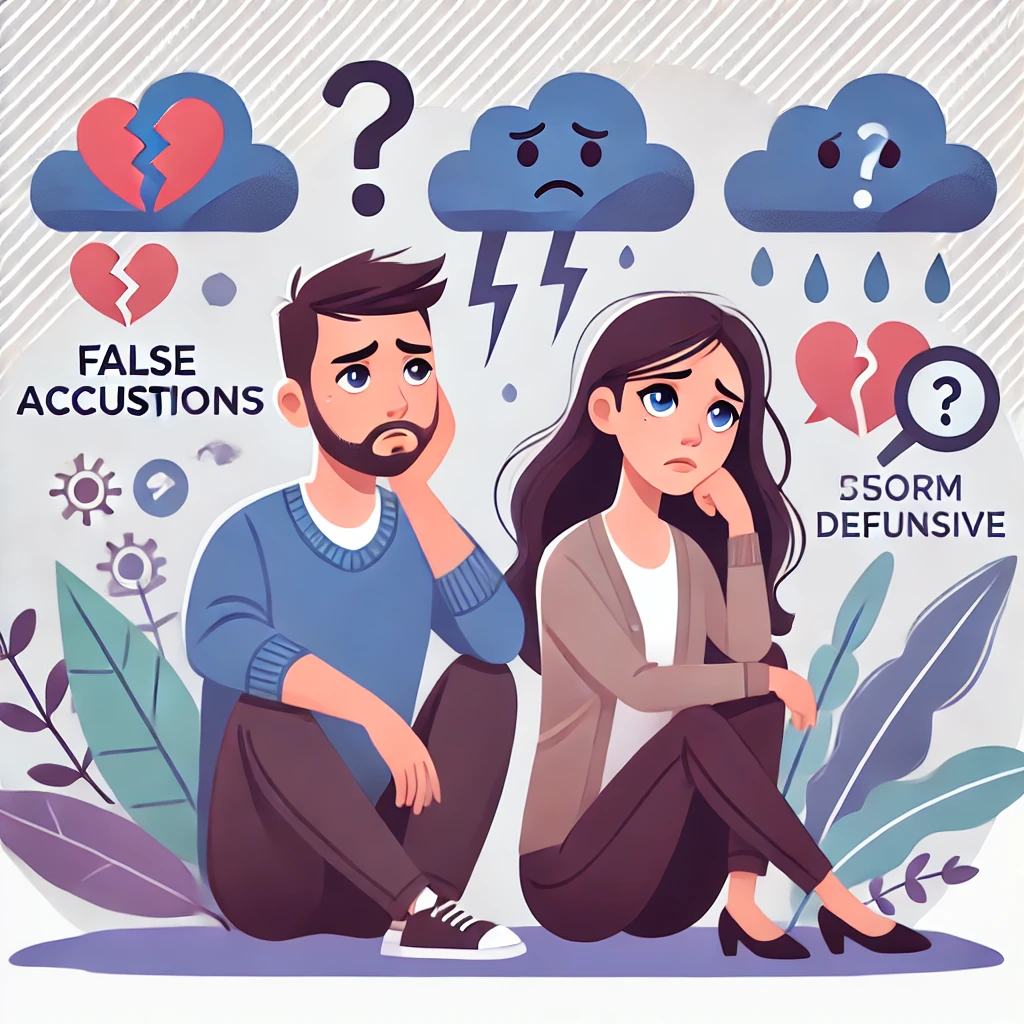
Anger and Resentment
Psychologists recognize anger as a natural response to injustice. In relationships, false accusations often generate deep resentment. If left unresolved, this anger hardens into bitterness, which not only damages the current relationship but can also carry into future partnerships.
Long-Term Consequences
Erosion of Trust
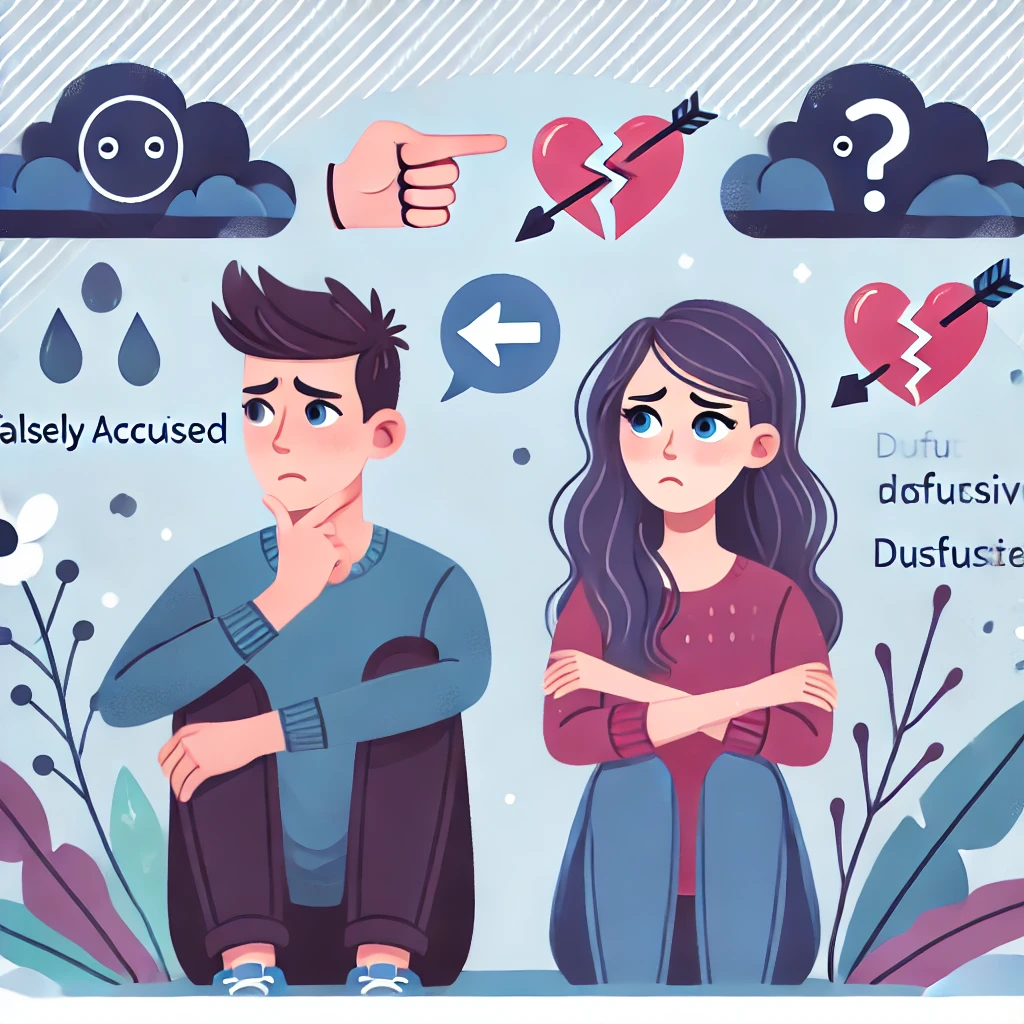
Trust is the cornerstone of any relationship. Once false accusations enter the dynamic, suspicion and defensiveness often take root. Even after reconciliation, the memory of being unjustly doubted lingers, making full restoration of trust extremely difficult.
Depression and Withdrawal
For some, repeated false accusations lead to withdrawal—emotionally or physically. The accused may retreat from intimacy, isolate from friends, or lose interest in shared goals. This withdrawal can slide into depression, particularly if accusations make them feel fundamentally misunderstood.
Post-Traumatic Stress Symptoms
In more severe cases, individuals develop trauma-like symptoms. Flashbacks, intrusive thoughts, or avoidance behaviors may arise, especially if accusations were public, repeated, or tied to highly emotional issues like infidelity.
Read more articles on the history and future of mental health
Philosophical Perspectives on False Accusations
Truth and Justice in Intimacy
Philosophy teaches that truth is central to justice. Within relationships, a false accusation is a violation of both. It undermines fairness and calls into question the moral fabric of the bond. What responsibility do we bear when accusing others? What duties do we owe to verify before casting doubt?
The Fragility of Trust
Trust requires vulnerability. To trust another is to suspend doubt and open oneself to risk. A false accusation shatters this vulnerability, replacing openness with suspicion. From a philosophical lens, it reveals how fragile human trust really is—and how essential it is to handle with care.
Forgiveness and Moral Repair
Can false accusations ever be fully forgiven? Philosophers argue that forgiveness requires acknowledgment of wrongdoing and a commitment to change. Psychologists add that healing also demands time, empathy, and sometimes professional support. Forgiveness is possible, but it is neither automatic nor easy.
Read: The Best Mental Health Marketing Agencies in 2026
Pathways to Healing
Open, Guided Communication
Structured dialogue, often with a therapist or counselor, can help partners unpack the accusation, clarify misunderstandings, and establish new boundaries. Without guided conversation, old patterns of suspicion are likely to resurface.
Individual Support for the Accused
The falsely accused may need their own space for healing. Therapy can provide tools to rebuild confidence, process anger, and prevent internalizing the accusation. This step is essential for preventing long-term psychological scars.
Rebuilding Trust Slowly
Trust cannot be restored overnight. Rebuilding requires consistency, transparency, and patience. Both partners must accept that the process is gradual, with setbacks along the way. The focus should be on creating new, positive experiences that outweigh the damage of the past.
Read The Origins of the Philosophy of Psychiatry Movement
The Psychological and Philosophical Takeaway
False accusations in relationships are more than painful misunderstandings—they are profound breaches of trust and identity. Psychologically, they trigger anxiety, shame, and even trauma. Philosophically, they challenge our deepest commitments to truth, fairness, and love.
Healing is possible, but only through honest reflection, compassionate dialogue, and a willingness to confront both the harm done and the values violated. By integrating psychological tools with philosophical wisdom, couples can better understand the weight of false accusations—and chart a path toward genuine repair.
Go To PhilosophyAndPsychiatry